Chile has been debating an artificial intelligence law for a while. In late October 2026 the Senate's Future Challenges Committee approved it unanimously, but it is still in its second stage and it is not law yet.
What the current text proposes
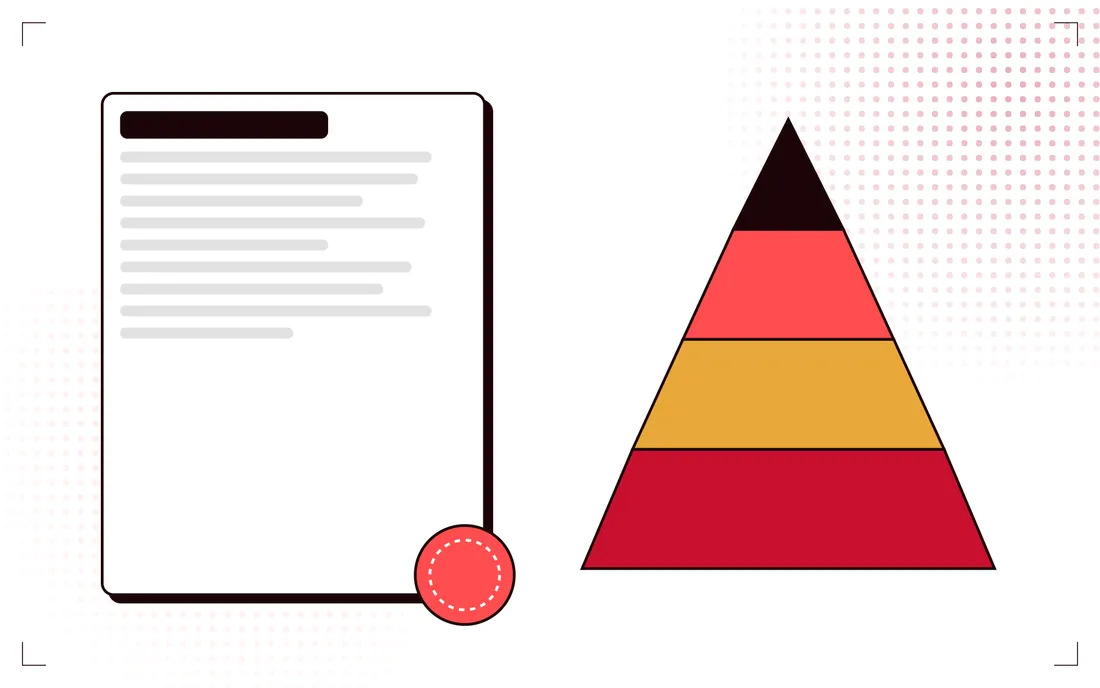
The bill follows a model similar to Europe's: it classifies AI systems by risk, in four levels. Some uses would be banned, others would face stricter transparency and oversight rules, and most everyday uses would have few obligations. The fines it sets reach 20,000 UTM.
In May the Executive said it wants a more enabling approach, a framework law that encourages AI use instead of focusing only on risk. So the final text can still change a lot.
What it means for a small business today
If you use AI to write, summarize, answer questions or recommend products, you would probably fall in the lower risk levels. Some things already apply without waiting for this law:
- Law 21.719 on personal data covers any data that goes through an AI system.
- If a customer is chatting with a bot, the honest thing is to tell them it is a bot.
- If an AI makes decisions that affect people, such as approving credit or screening applicants, someone on the team should be able to review them.
In the meantime
What I recommend is writing down which AI tools you use, with what data and for what. It is little work, it helps with the data law and it leaves you ready for whatever comes.
According to the ILIA 2026 index, Chile leads the region in AI readiness, but only 13.5% of companies use it.